
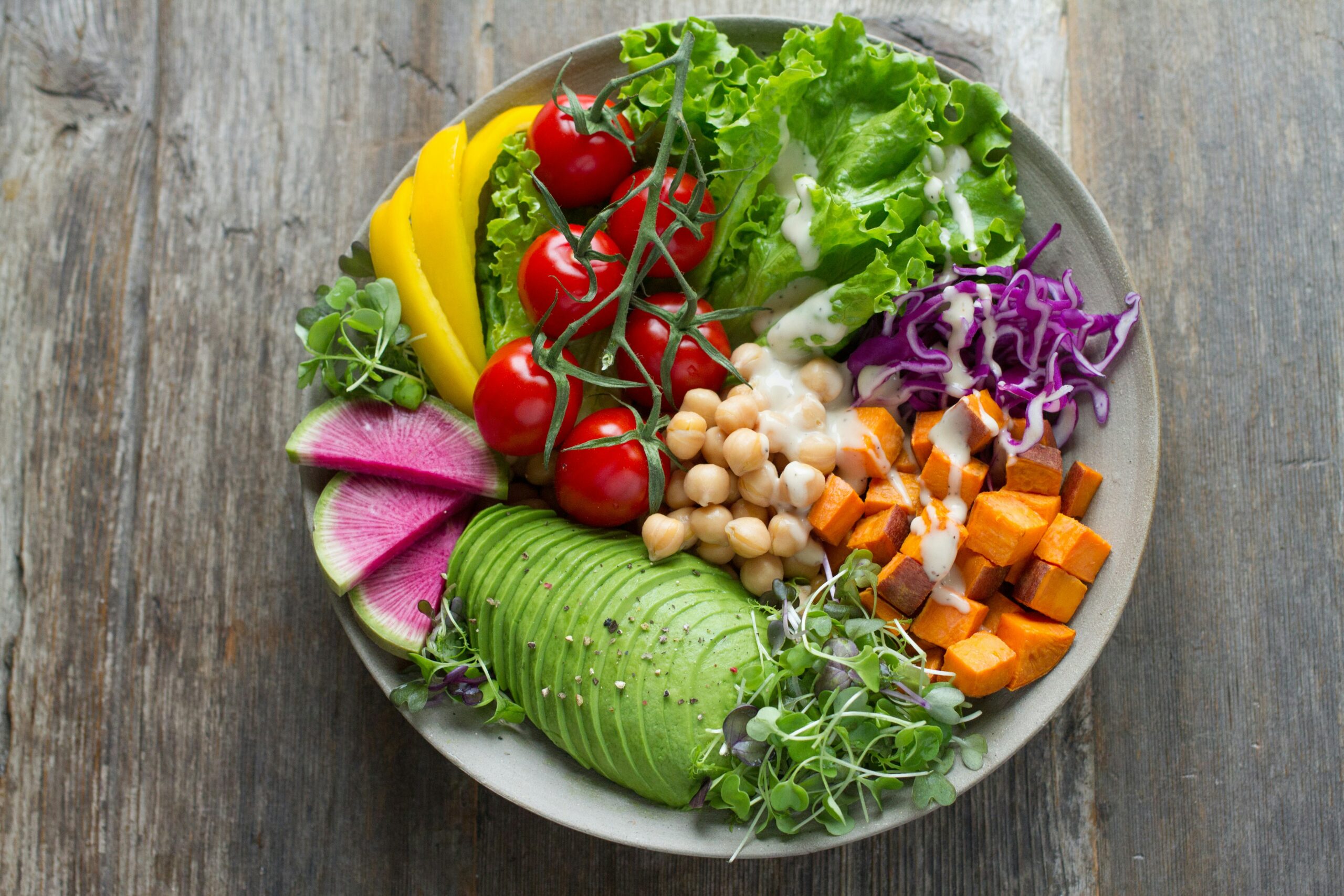
A common myth about vegetarian diets is that they lack sufficient protein. In reality, with a little planning, vegetarians can meet (and even exceed) their protein needs through a wide variety of plant-based foods. Whether you’re an athlete, trying to build muscle, or simply looking to maintain a balanced diet, protein is essential for your body’s repair, immune function, and overall health.
Here are some of the best vegetarian sources of protein, ranked for their nutritional value, versatility, and availability.
1. Lentils
Protein: ~18 grams per cooked cup
Lentils are a powerhouse of plant-based protein. They’re also rich in fiber, iron, and folate, making them a staple for vegetarians. Use them in soups, stews, curries, or salads.
2. Chickpeas (Garbanzo Beans)
Protein: ~15 grams per cooked cup
Chickpeas are incredibly versatile—think hummus, curries, roasted snacks, or tossed in salads. They also provide fiber, iron, and manganese.
3. Tofu
Protein: ~10 grams per half-cup
Made from soybeans, tofu is a complete protein, meaning it contains all nine essential amino acids. It absorbs flavors well and works in savory and sweet dishes alike.
4. Tempeh
Protein: ~21 grams per 3-ounce serving
Tempeh is a fermented soybean product with a firm texture and nutty flavor. It’s higher in protein and fiber than tofu and contains probiotics beneficial for gut health.
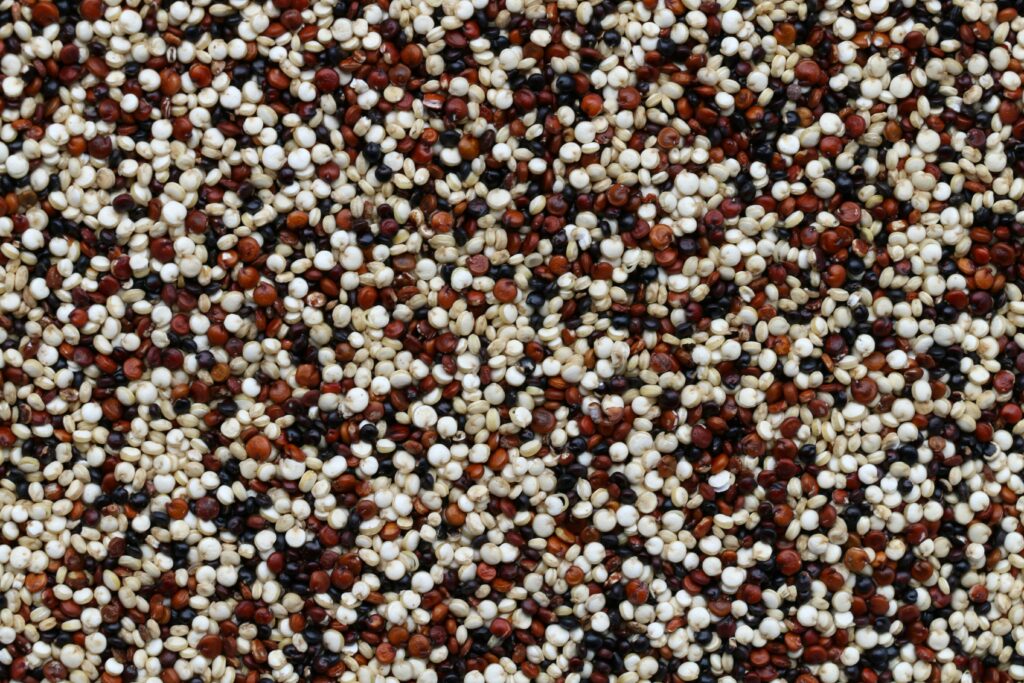
5. Quinoa
Protein: ~8 grams per cooked cup
Unlike most grains, quinoa is a complete protein. It’s also gluten-free and rich in magnesium, iron, and fiber, making it a great base for salads and bowls.
6. Edamame
Protein: ~17 grams per cup
These young soybeans are not only high in protein but also rich in antioxidants and vitamins. Enjoy them as a snack or toss them into stir-fries and salads.
7. Greek Yogurt (Plain, Non-Fat or Low-Fat)
Protein: ~15–20 grams per 6-ounce serving
If your vegetarian diet includes dairy, Greek yogurt is one of the best protein sources. It also contains probiotics and calcium for bone health.
8. Cottage Cheese
Protein: ~14 grams per half-cup
Cottage cheese is another excellent dairy-based protein, ideal for breakfast bowls, smoothies, or savory dishes. It also provides casein, a slow-digesting protein.

9. Nuts and Nut Butters (Almonds, Peanut Butter, etc.)
Protein: ~6–8 grams per 2 tablespoons
While calorie-dense, nuts and nut butters offer healthy fats, fiber, and protein. They’re great for snacks, spreads, and adding texture to meals.
10. Chia Seeds
Protein: ~5 grams per 2 tablespoons
These tiny seeds are a nutritional powerhouse—packed with omega-3s, fiber, and minerals. Add them to smoothies, puddings, or oatmeal.
11. Seitan
Protein: ~21 grams per 3-ounce serving
Made from wheat gluten, seitan is one of the highest-protein meat alternatives. It has a chewy, meat-like texture and works well in stir-fries and sandwiches.
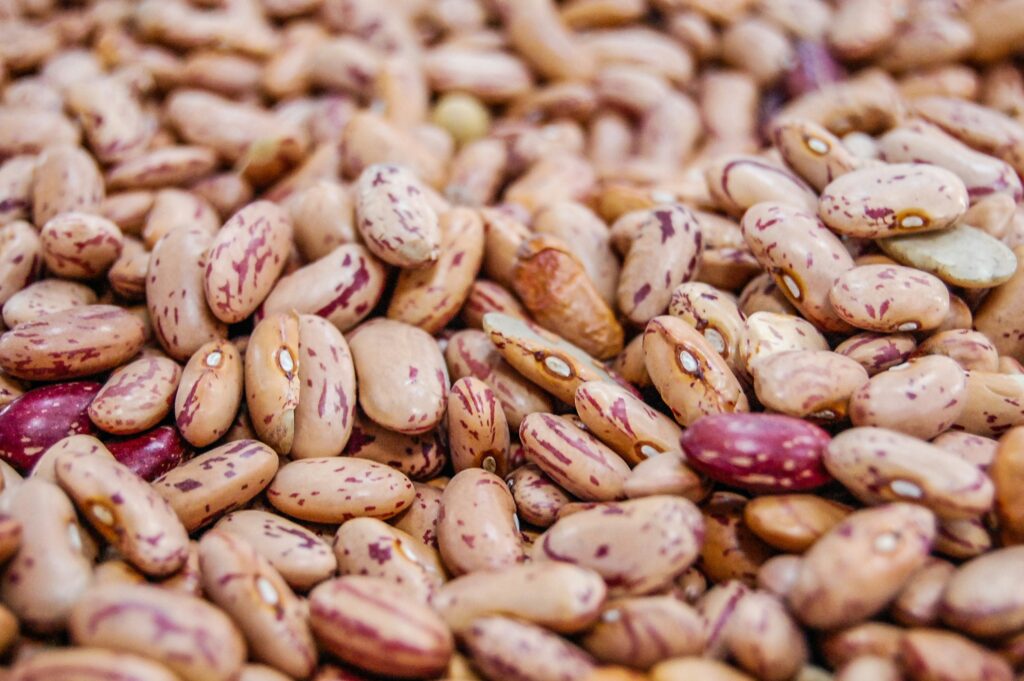
12. Beans (Black, Kidney, Navy, etc.)
Protein: ~13–15 grams per cooked cup
Beans are budget-friendly, widely available, and highly nutritious. They work well in soups, burritos, and casseroles.
13. Hemp Seeds
Protein: ~10 grams per 3 tablespoons
These soft, nutty seeds are a complete protein and rich in omega-3 and omega-6 fatty acids. Sprinkle them on salads, cereal, or yogurt.
14. Oats
Protein: ~6 grams per cooked cup
Oats are more than just breakfast food. They provide complex carbs and beta-glucan (a type of soluble fiber), and their protein content makes them a great addition to your diet.
Tips for Getting Enough Protein on a Vegetarian Diet
- Combine protein sources: While many plant proteins aren’t “complete,” combining foods like rice and beans or hummus and whole wheat pita can provide all essential amino acids.
- Snack smart: Opt for protein-rich snacks like trail mix, roasted chickpeas, or protein bars made from whole ingredients.
- Plan your meals: Make sure each meal contains a protein source to maintain energy and promote muscle maintenance.
Final Thoughts
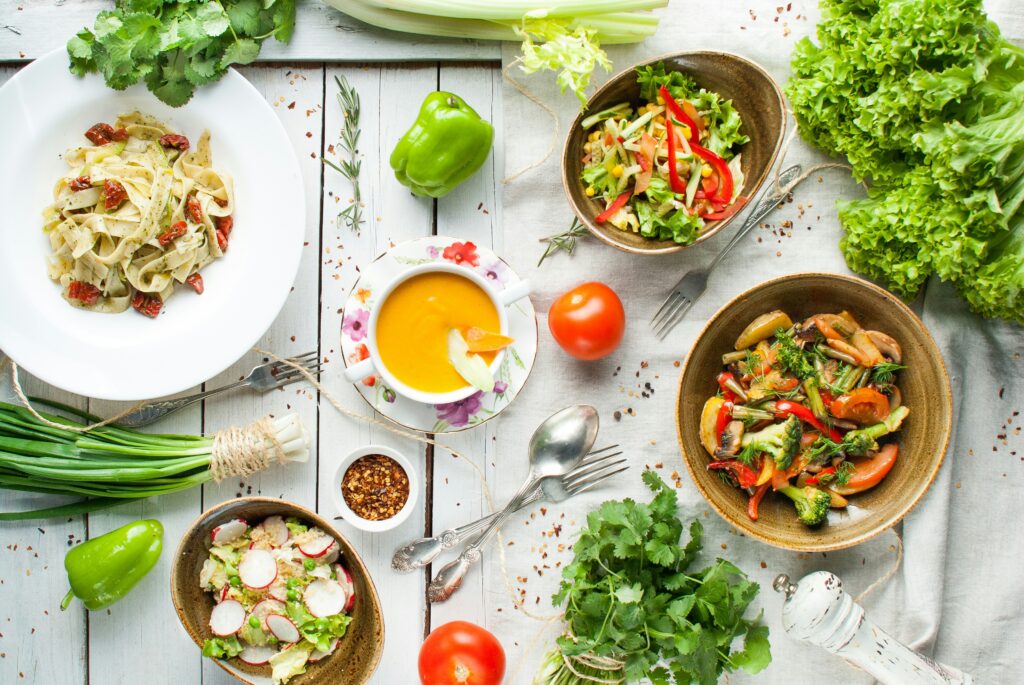
Being vegetarian doesn’t mean skimping on protein. With a wide range of whole foods to choose from, it’s easier than ever to enjoy a balanced, protein-rich diet that supports your health and wellness. Whether you’re new to plant-based eating or looking to diversify your meals, these protein-packed vegetarian options are both delicious and nutritious.
For more on a balanced vegetarian diet, check out this article.
To learn about protein powders, check out this article.


